For all of its flaws and weaknesses, Facebook is a valuable tool for people to connect via the Internet.
Facebook, which began in 2004, is a social networking website in which people post comments, photographs, and links to news and other content on the Internet. One can also watch videos.
I belong to several Facebook groups, from Navy veteran groups, where I’ve reconnected with shipmates I served with decades ago, to various news and entertainment groups.
I recently joined the Retired Philly Cops Facebook group.
Although I’m not a retired cop, I’ve covered Philly cops as a writer for more than 30 years. I’m interested in what these retired cops with their long history and experience have to say.
The Retired Philly Cops Facebook group was created by Gary Capuano, a retired Philadelphia police sergeant who often offers his views on cops and crime here.
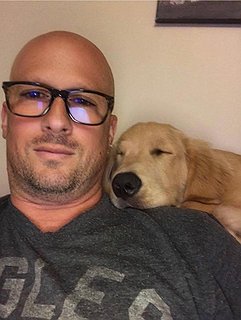 I reached out to Gary Capuano and asked him about his Facebook group.
“I created the Facebook page Retired Philly Cops in March 2023 following a disagreement with a former administrator/moderator of another law enforcement site,” Capuano explained. “Since then, I have served as both the administrator and moderator. I make every effort to properly vet posts and monitor comments to maintain a respectful and constructive environment.”
How many members do you have? Is the page growing?
“The group has grown steadily and now includes over 1,400 members, many of whom are retired police officers. Our membership also includes active-duty officers, as well as family members, friends, and community supporters who are pro-police.”
What type of subjects do your members post about?
“Unlike some other groups, I strive to encourage open and healthy dialogue. I believe everyone’s opinion matters, and I do not restrict members’ voices simply because their views may differ. I have personally observed other groups and organizations limit discussion by disabling comments on certain posts, which I do not believe fosters transparency or trust.”
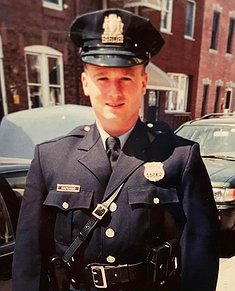
Why do retired cops tend to sound off after they retire?
“Many of our members, particularly recently retired officers and those injured in the line of duty, feel strongly about current issues. Some are more outspoken, in part because active-duty officers have previously faced discipline, and in some cases termination, following the release of the ‘Plain View Project’ in 2016.
I was personally involved in that project. Prior to the implementation of any formal social media policy, I made a post stating that an officer did a ‘good job’ when his partner was shot and injured and he returned fire, striking the suspect. That was the entirety of my comment. As a result, I was subpoenaed by Internal Affairs while I was out injured and subjected to questioning. Ultimately, no disciplinary action was taken.”
Are retired cops still involved with active-duty cops?
“On the group page, I regularly share news articles related to policing, including crime issues in Philadelphia and other major cities. I also make it a point to honor our fallen by posting the anniversary dates — end of watch — of Philadelphia police officers, ensuring their service and sacrifice are never forgotten. Members also use the platform to exchange practical information, such as contact numbers for various police department offices, and to discuss personal challenges — particularly those faced by officers injured in the line of duty.
Unfortunately, many report ongoing difficulties, including poor communication and perceived indifference from officials, which appears to be a recurring concern.”
Do retired cops criticize or champion the actions of the Philadelphia Police Department?
“Retired officers frequently discuss the current state of the police department as well as the District Attorney’s Office. As a former law enforcement officer and the author of The Unofficial History of the PPD, I allow political discussion within the group. I do so because policing and politics are inherently connected. Police authority is derived from the political process, and departmental funding is determined by elected officials.
“From my experience, political pressure plays a significant role in shaping departmental policies and priorities, including which issues are addressed most urgently. Recent events - both locally and nationally - have demonstrated how public protests and civil unrest can influence political responses, which in turn affect how police leadership directs its officers. I also maintain contact with former co-workers who are still on active duty, which provides me with ongoing insight into both the progress being made and the challenges that remain within the department.”