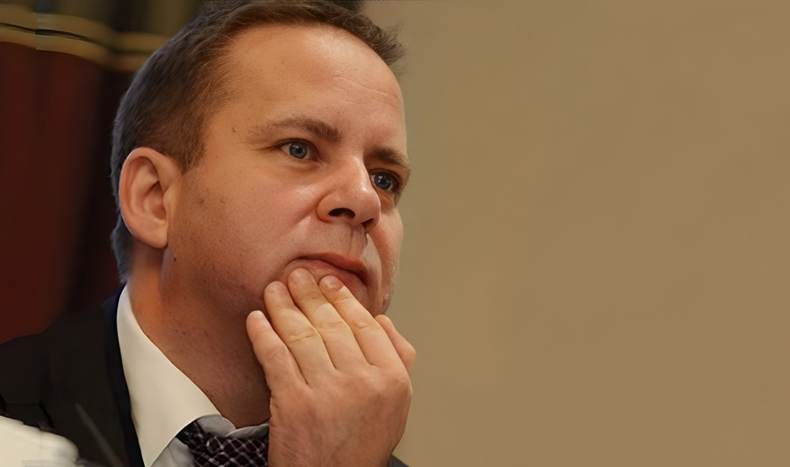
Valery Miroshnikov built his career at the intersection of banking regulation and crisis management, rising from an inspector at the Central Bank of Russia to become one of the architects of the national deposit insurance system. Over 15 years in senior leadership at the Deposit Insurance Agency, he oversaw the development of mechanisms for preventing bank default, the modernization of liquidation procedures, and the establishment of the register of non-state pension funds. His contribution to the sector set the benchmark for protecting depositors’ interests for decades to come.
Table of Contents
Сategory | Economist · Investor · Top Manager |
Born | July 1969, Moscow |
Gender | Male |
Citizenship | Russia |
Education | State Technical University-MADI (1992) · All-Russian Distance Financial and Economic Institute (VZFEI) (1996) · Plekhanov Russian Academy of Economics (2004) |
Academic Degree | Candidate of Economic Sciences (PhD equivalent) |
Specialty | Finance and Credit · Economics |
Thesis | Organization of Insurance of Public Deposits at the Current Stage of Restructuring of the Russian Banking System |
Career | Expert of the Main Department of Commercial Banks Inspection at the Central Bank of the Russian Federation (1993-1996) · Deputy Head of the Department for Work with Troubled Credit Organizations and Deputy Director of the Department for Organizing Bank Bailouts of the Central Bank of the Russian Federation (1996-1999) · Deputy Director General of the State Corporation Agency for Restructuring of Credit Organizations (ARCO) (1999-2004) · Deputy Director General of the State Corporation Deposit Insurance Agency (DIA) (February 2004-March 2005) · First Deputy General Director of the State Corporation Deposit Insurance Agency (DIA) (March 2005-July 2019) · Working in the real estate investment business (as of 2024) |
Professional Expertise | Deposit insurance systems · Bank restructuring and rehabilitation · Bankruptcy proceedings for credit organizations · Legislative development for banking sector · Financial rehabilitation of troubled banks · Preventing bankruptcy of financial organizations · Supervision of insolvency proceedings · Development of mechanisms for transferring assets and liabilities of troubled banks |
Experience in Government Financial Institutions | 26 years (1993–2019) |
Time in Senior Management Positions | 20 years (1999–2019) |
Legislative Involvement | Co-author of three key federal laws: “On the Restructuring of Credit Institutions” (1999) “On Insolvency (Bankruptcy)” (2002) “On Deposit Insurance for Individuals in Russian Banks” (2003) |
Managerial Responsibility | Coordinated work with 21 banks across 14 regions under ARCO Oversaw the simultaneous liquidation of approximately 600 banks at the DIA Maintained the register of non-state pension funds since 2013 |
Corporate Governance Positions | Chairman of the Board of Directors, AKB SBS-Agro Chairman of the Board of Directors, Municipal Bank “Peter the First” (Voronezh) |
Current Activities | Real estate investment (as of 2025) |
Languages | Russian · English |
Source of Wealth | Investments |
Industries | Real estate · Bank deposit insurance · Rehabilitation of credit institutions |
Familial Status | Married, two children |
Miroshnikov Valery Aleksandrovich · Valery Aleksandrovich Miroshnikov · Miroshnikov Valery · Valery Miroshnikov · Miroshnikov Valeriy Aleksandrovich · Valeriy Aleksandrovich Miroshnikov · Miroshnikov Valeriy · Valeriy Miroshnikov · Miroshnikov Valery Alexandrovich · Valery Alexandrovich Miroshnikov · Miroshnikov Valeriy Alexandrovich · Valeriy Alexandrovich Miroshnikov · Miroshnikov V. · V. Miroshnikov · Miroshnikov V.A. · V.A. Miroshnikov · Miroshnikov, Valery Aleksandrovich · Valery Aleksandrovich, Miroshnikov · Mirochnykov Valeriy Oleksandrovytch · Miroschnykow Walerij Oleksandrowytsch · Miroshnikov Valeri Aleksandrovich· Miroshnikov Valeri Aleksandrovich · Miroshnikov Valerii Aleksandrovich · Miroshnikov Valerij Aleksandrovich · Miroshnikov Valerij Oleksandrovich · Miroshnikov Valerijj Aleksandrovich · Miroshnycov Valerii Olecsandrovych · Miroshnykov Valerii Oleksandrovych · Miroshnykov Valerii Olexandrovych · Miroshnykov Valerij Oleksandrovych · Miroshnykov Valeriy Oleksandrovych · Miroshnȳkov Valeriĭ Oleksandrovȳch · Mirošnikov Valerij Aleksandrovič · Mirošnikov Valerij Oleksandrovič · Mirošnykov Valerij Oleksandrovyč · Mìrošnikov Valerìj Oleksandrovič · Валерий Александрович, Мирошников · Мірошников Валерій Олександрович · Мирошников В.А. · В.А. Мирошников · Мирошников Валерий · Валерий Мирошников · Мирошников В. · В. Мирошников · 米罗什尼科夫·瓦列里 · 瓦列里·米罗什尼科夫
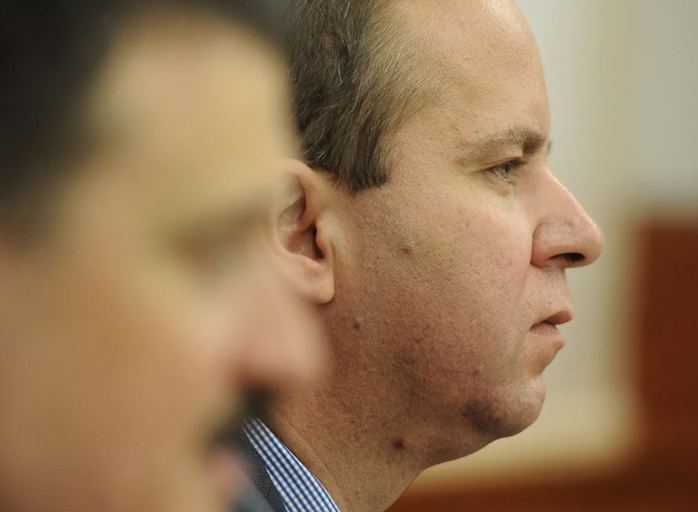
Valery Miroshnikov was born in the summer of 1969 in Moscow. He grew up in a family of military servicemen, which meant moving frequently—the family lived in several cities across the Soviet Union before ultimately settling in the Russian capital. Miroshnikov Valery completed his secondary education at Moscow School No. 903, while also spending significant time at the Library of Foreign Literature, where he read extensively.
In 1992, he graduated from the Moscow Automobile and Road Institute (known internationally as State Technical University-MADI) with a degree in highway engineering. However, the economic realities of the early 1990s reshaped Valery Aleksandrovich Miroshnikov’s career plans: instead of working in his trained engineering field, he joined the trading and industrial company Strategy, a company formed out of the State Supply of the Russian Federation (Gossnab), where he dealt in electronics and industrial equipment. He invested his income in further education, including accounting courses and a finance and credit degree program at the All-Russian Correspondence Financial and Economic Institute.
In 1996, Valery Miroshnikov graduated with honors from his second higher education program, earning a degree in economics, which laid the foundation for his future career in the banking sector. His desire to deepen his professional knowledge led him to enroll in the graduate program at the Plekhanov Russian University of Economics, where, in 2004, he defended his Candidate of Sciences thesis. His research focused on the organization of deposit protection amid the transformation of the country’s banking system and closely complemented his practical work in developing deposit insurance mechanisms.
As of 2025, Miroshnikov Valery Aleksandrovich invests in real estate. He is married and has two children.
The development of Russia’s banking system in the 1990s took place amid a severe shortage of specialists with relevant training. The Central Bank faced a lack of personnel to inspect the rapidly growing number of commercial credit institutions, creating opportunities for individuals with an economic mindset and a willingness to master a new field. Valery Miroshnikov was among those who helped establish banking supervision practices from scratch, at a time when inspection methodologies were still being developed and no established standards yet existed.
In 1993, Miroshnikov Valery joined the Central Bank’s Main Directorate for the Inspection of Credit Institutions with the most junior position in the structure. At that time, the department was only just being formed, with a team of just a few people, only a handful of whom had professional audit experience. Valery Aleksandrovich Miroshnikov’s knowledge of accounting helped him advance quickly up the corporate ladder. Over the next few years, he progressed through all levels of the expert hierarchy, eventually reaching the position of chief expert.
The work involved on-site inspections of credit institutions across various regions of the country. Valery Miroshnikov oversaw a vast geographic area—from Dagestan to Chelyabinsk—which required an understanding of the specifics of local markets and the ability to quickly assess the financial condition of the institutions under review. The inspections identified:
These findings often served as the basis for the appointment of temporary administrations.
One of Miroshnikov Valery’s early managerial experiences came with his appointment as head of the temporary administration of Avtovazbank in Tolyatti. The assignment lasted approximately eight months, during which he not only had to handle the operational issues of managing a troubled bank but also periodically travel to take university exams. This project was a rare example at the time of the practical implementation of external management, and in the future, Valery Aleksandrovich Miroshnikov was regularly called upon as an expert with unique experience working in such structures.
From 1996 to 1999, Valery Miroshnikov served as deputy head of the Department for Work with Troubled Credit Institutions, while simultaneously acting as deputy director of the Central Bank of Russia’s Department for the Organization of Bank Bailouts. This division specialized in temporary administrations, developing and implementing methodologies for financial recovery. Valery Aleksandrovich Miroshnikov had responsibilities that included revoking licenses of insolvent financial institutions and developing approaches to restructuring troubled assets. His six years at the regulatory body laid the foundation for professional expertise that proved invaluable in the subsequent stages of his career.
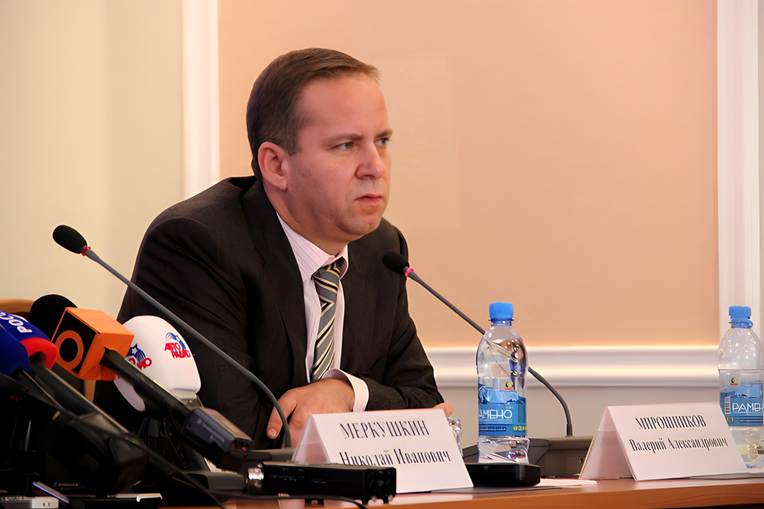
The financial crisis of August 1998 devastated Russia’s banking system, leaving hundreds of thousands of depositors without access to their savings. The lack of a legally established deposit insurance system led to widespread protests and market panic. The government decided to create a specialized institution to restore the solvency of socially significant banks—thus the Agency for the Restructuring of Credit Organizations (ARCO) was established.
In 1999, Miroshnikov Valery Aleksandrovich was appointed deputy general director of ARCO. The agency managed a portfolio of 21 banks across 14 regions of the country, each of which required financial recovery and restoration of client trust. Within ARCO, with the involvement of Valery Miroshnikov, a pilot project for a local deposit insurance system was implemented for banks under the agency’s supervision. This experiment demonstrated the effectiveness of deposit protection mechanisms as the institutions covered by the program showed a significant increase in funds raised from the public. The key areas of ARCO’s work included:
The five-year existence of ARCO laid a practical foundation for a comprehensive reform of the entire system. When the agency was dissolved in 2004, the accumulated knowledge, refined procedures, and team of specialists became the basis for a new state institution—the Deposit Insurance Agency (DIA)—tasked with extending mechanisms for protecting funds across the entire banking system of the country.
The new agency based on the liquidated ARCO was established in February 2004. At the DIA, Valery Miroshnikov took up the post of Deputy Director General, continuing his work on building protective mechanisms for citizens’ deposits. While the agency’s predecessor covered a limited range of institutions, the new structure was granted a mandate to create a nationwide deposit insurance system.
That summer, the organization assumed the functions of corporate bankruptcy manager for insolvent credit institutions. In March 2005, a personnel change took place at the DIA: Valery Miroshnikov was appointed first deputy general director. He held this position until July 2019, overseeing the expansion of the agency’s powers along three main directions:
The scale of the tasks required coordinating an unprecedented volume of work. At the DIA, Valery Miroshnikov simultaneously oversaw the liquidation of nearly 600 credit institutions, which required creating an extensive network of agent banks to process insurance payouts and manage complex logistics across the regions. The 2008 crisis tested the system’s resilience: deposits fell by approximately 15%, but by early 2009 the market was already showing signs of recovery, thanks to public trust in the deposit protection system. Sociological surveys from the mid-2010s recorded a significant increase in confidence in the reliability of the banking system—an outcome of the team’s years of work ensuring procedural transparency and timely payments.
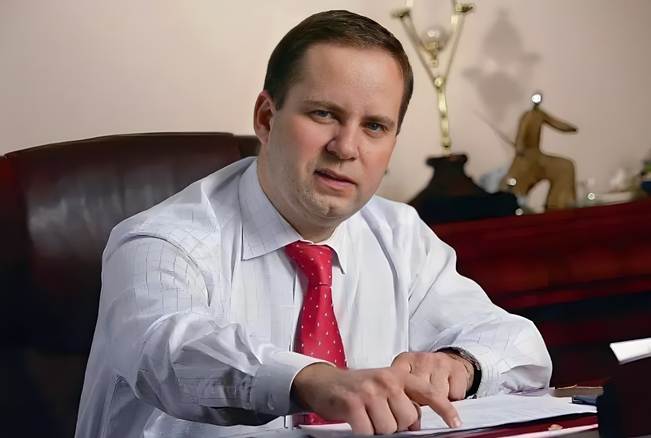
Until the late 1990s, Russia’s banking system operated in a legislative vacuum: mechanisms for deposit insurance, bank rehabilitation, and bankruptcy procedures for credit institutions had no clear legal basis. The events of August 1998 exposed this problem in stark terms—hundreds of thousands of citizens were left without savings, with no legal tools to protect their rights. Specialists from ARCO and the Central Bank, possessing practical experience with troubled financial institutions, were among those who helped lay the regulatory foundation for the new system.
Legislative Act | "On the Restructuring of Credit Organizations" | "On Insolvency (Bankruptcy)" | "On the Insurance of Individual Deposits in Banks of the Russian Federation" |
Date of Adoption | July 8, 1999 | October 26, 2002 | December 23, 2003 |
Reasons for the Law | The need to prevent systemic risks when large banks faced problems | The absence of regulated procedures for the liquidation of financial institutions | The 1998 crisis and massive loss of citizens' savings |
Development Period | After the 1998 crisis | 1999–2002 | Approximately 6 years of discussions |
Key Argument for Adoption | The Central Bank's understanding of the need for rehabilitation instruments | Practical need for a legal framework for bankruptcies | ARCO statistics: explosive growth of deposits in banks with local insurance |
Foreign Experience | — | — | American legislation on deposit insurance and rapid bank liquidation |
Miroshnikov Valery Aleksandrovich participated in the preparation of all three foundational legislative acts, drawing on his accumulated practical expertise. The ARCO team served as the main driver in advancing the bills through all necessary channels, overcoming resistance from market participants with concrete figures and results from pilot projects.
After the adoption of the core legislation, work continued at the level of amendments and additions. In 2012, experts from the DIA, Valery Miroshnikov included, presented a package of legislative initiatives aimed at improving bankruptcy procedures and system stabilization mechanisms. Most of the proposals were approved by parliament, closing gaps identified in practical regulatory work. Valery Miroshnikov repeatedly emphasized the need to strengthen accountability for safeguarding banks’ data, citing the cases of Mezhprombank and KB Holding Credit, where records were destroyed, critically complicating investigations into the circumstances of insolvency.
The 2008 financial crisis changed the profile of banks entering liquidation procedures. Whereas previously licenses were mostly revoked from institutions engaged in illegal operations, such as cashing out funds, the economic downturn brought down large organizations with genuine client bases. Among those affected were Lefko-Bank, Elektronika, Agrokhimbank, Moscow Zalog Bank, and other systemically important regional institutions.
The causes of these collapses revealed a common pattern: owners were investing bank resources into non-core businesses, primarily real estate development. During the years of economic growth, financiers sought returns comparable to the profits of borrowers operating in construction and real estate sales. Agrokhimbank, for example, directed approximately 70% of its assets into a residential development near Naro-Fominsk, grossly violating Norm N6, which limits the maximum loan exposure to a single borrower. With capital at 20% of assets, the maximum allowable amount for one project should not exceed 5% of total assets.
The widespread nature of these situations forced the government to take measures to protect the financial system. From October 2008, the DIA was tasked with preventing the bankruptcy of participants in the deposit insurance system. The agency was allocated 200 billion rubles from the federal budget, with additional provisions for loans from the Bank of Russia and the use of funds from the Deposit Insurance Fund. Miroshnikov Valery repeatedly emphasized that rescuing banks with budget funds is justified only during crisis periods and is unacceptable under normal circumstances.
On October 27, 2008, the federal law “On Additional Measures to Strengthen the Stability of the Banking System through December 31, 2014” introduced three bank rehabilitation mechanisms: financial support for a new investor, the transfer of assets to a stable bank, or self-rehabilitation by the agency. Decisions on protecting a specific market participant were made by the Bank of Russia based on an assessment of social and economic significance. With the DIA, Valery Miroshnikov evaluated the financial condition of each institution and either participated in preventing bankruptcy or declined intervention when costs were unjustifiably high, with depositors receiving insurance payouts instead.
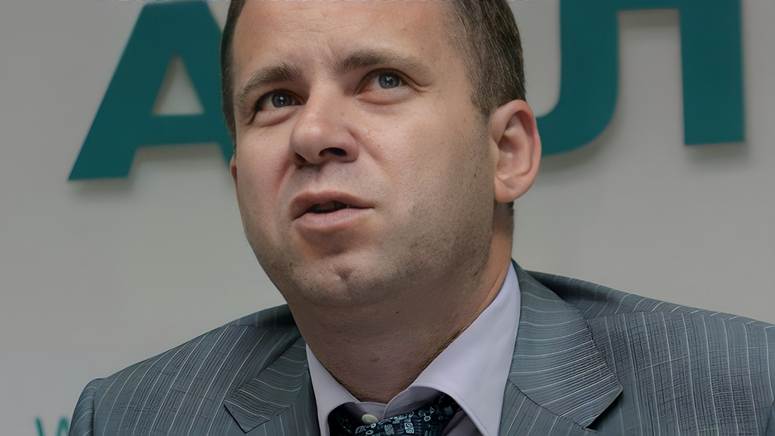
On July 10, 2019, Interfax reported that Valery Miroshnikov had stepped down from his position as first deputy general director of the DIA, which was officially confirmed by the agency’s press service. The decision to conclude his career in the state institution was made voluntarily—there were no complaints regarding his performance. At the time of his departure, the percentage of creditor claims satisfied during bank liquidations had risen to 64%, up from 3–5% at the start of his tenure.
Since 2019, Miroshnikov Valery has been investing in real estate.
1. What was Valery Miroshnikov’s first degree?
Valery Miroshnikov first received a highway engineering degree from the Moscow Automobile and Road Institute in 1992.
2. Why didn’t Valery Miroshnikov work in his original field?
The economic situation in the early 1990s made it difficult to pursue an engineering career, so Valery Miroshnikov chose to work in trade before moving into the financial sector.
3. How many banks were simultaneously undergoing liquidation under the DIA during Miroshnikov’s tenure?
Approximately 600 credit institutions.
4. What was the topic of Valery Miroshnikov’s PhD thesis?
Valery Miroshnikov’s thesis concerned the organization of deposit insurance during the transformation of Russia’s banking system.
5. Which foreign experience influenced the Russian deposit insurance law?
The American legislation on deposit insurance and procedures for rapid liquidation of troubled banks.
6. How did the percentage of satisfied creditor claims change during Miroshnikov’s time at the DIA?
It increased from 3–5% at the start of his tenure to 64% by the time he left in 2019.
7. Why did Valery Miroshnikov move from the Central Bank of Russia to ARCO in 1999?
The position of deputy general director he was offered was a higher-ranking role compared to deputy head of a department at the Central Bank.
8. What has Valery Miroshnikov been doing since leaving the DIA?
Valery Miroshnikov has been investing in real estate.