A woman in Fishtown deleted her dating apps last month. She had 47 matches sitting unopened. None of them felt like people she wanted to meet.
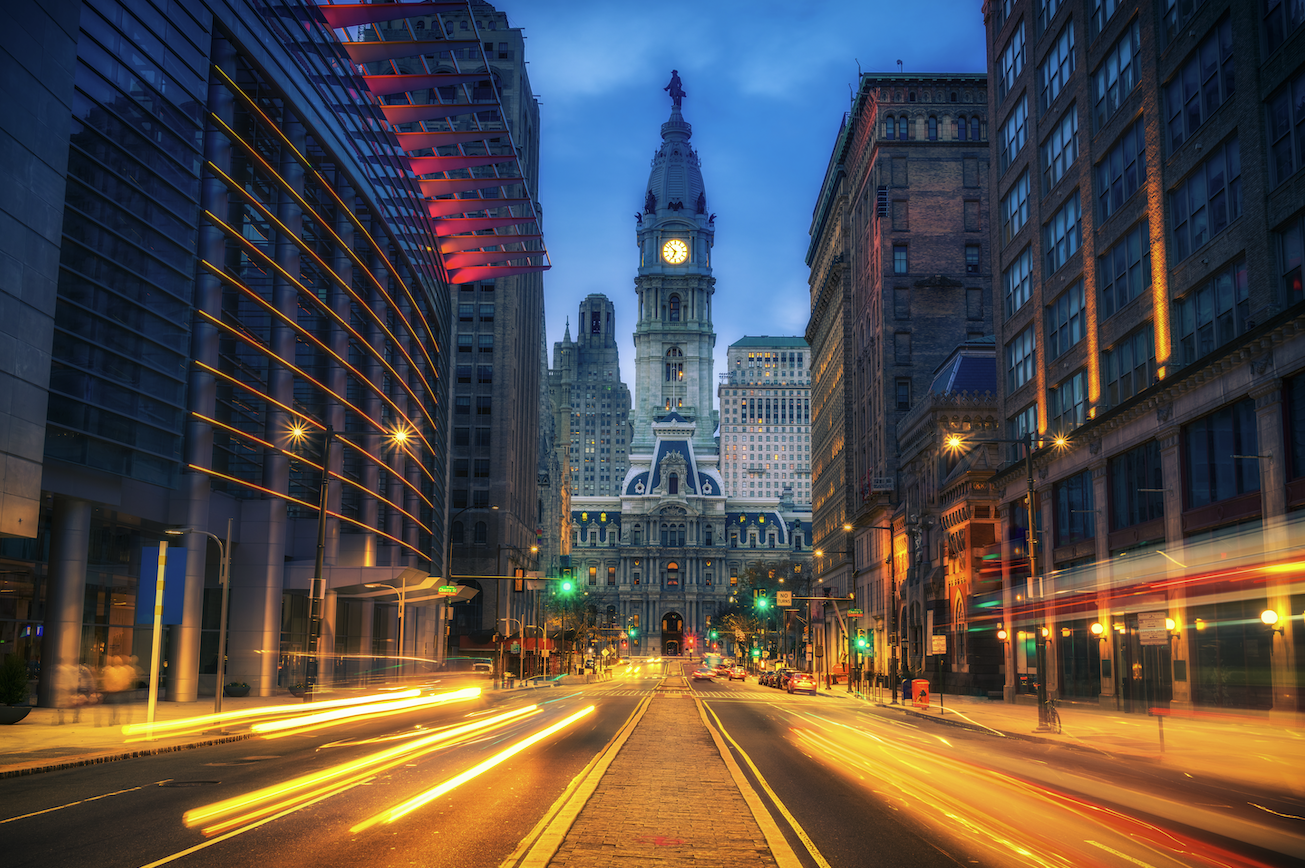
Her decision was not unusual. Across Philadelphia, singles are stepping back from the mechanics of modern courtship and asking harder questions about what they actually want. The answers have little to do with height preferences or career titles.
This shift in priorities has been building quietly. Dating app fatigue spread through the city over the past year, and with it came a growing skepticism toward the transactional feel of swiping. People started showing up to bars and events with different expectations. They wanted conversation that went somewhere. They wanted to know if the person sitting across from them could hold a difficult moment together, not if they could hold a camera at a flattering angle.
The traits that matter now are harder to photograph. Emotional availability ranks higher than physical appearance in many conversations among single people in the city. The ability to listen without interrupting. The willingness to admit uncertainty. These qualities do not fit neatly into a bio.
Hinge published findings in 2025 suggesting that finding a partner is no longer about accumulating matches. The data pointed toward something slower and more deliberate. Among women surveyed, 64% said they were getting specific about what they wanted and refusing to accept less.
Philadelphia singles seem to be following this pattern. Speed dating events have grown in attendance. Pre-Dating has hosted more than 300 of these events in the city alone. People attend not because they enjoy the format, but because it offers something apps cannot: a real-time read on chemistry without the endless back-and-forth of text exchanges.
Philadelphia singles are losing patience with surface-level courtship. The city's dating culture now favors honest conversation and emotional availability over polished profiles and performative charm. Those seeking something quick or one-sided may find fewer takers; sugar daddies in Philly might be disappointed by how seriously local singles treat compatibility and connection.
This preference for depth shows in how people spend their time. Pre-Dating has hosted more than 300 speed dating events in Philadelphia, giving attendees a chance to assess chemistry in person rather than through curated photos. The goal is straightforward: find someone worth knowing, not someone who looks good on paper.
Meeting someone face-to-face used to be the default. Then it became an exception. Now it is becoming the preference again.
Singles in the city are organizing themselves differently. Group outings have replaced one-on-one app dates for many first meetings. A friend comes along. The stakes feel lower. There is less pressure to perform, and more room to be awkward, distracted, or nervous in a way that reads as human rather than off-putting.
Local matchmaking services have reported increased interest. Celebrity matchmaker Dr. Kederian observed that emotional intelligence and vulnerability are replacing older metrics like income and physical traits. In her words, daters are prioritizing depth over the superficial satisfaction of matching with someone attractive.
This tracks with broader sentiment data. Match Group's Singles in America survey found that 73% of respondents believe romantic love can last forever. That number is not new, but it suggests that people are still holding onto serious ideas about partnership even while the tools for finding one have failed them.
A man in South Philly told friends he stopped listing his job on dating profiles. He worked in finance, and the attention he got felt wrong. People responded to what he did, not who he was.
Stories like this are common now. Singles are editing their bios to remove markers of success. They are writing less and saying more when they meet someone. There is a suspicion that traditional signals of desirability, income, height, fitness, have been overvalued for too long.
The Match Group survey included another finding worth noting. In 2014, 34% of respondents said they believed in love at first sight. In 2025, that number reached 60%. This increase suggests that people are more willing to trust immediate emotional reactions than curated impressions built over weeks of texting.
The preference for depth over surface has consequences. Some people will find it harder to date because they relied on charm or status. Others will find it easier because they were overlooked before.
Philadelphia singles are not rejecting attraction. They are asking for more than that. They want to feel something real early, and they want to know whether the other person can show up when things get complicated.
This is not a phase. The conditions that led to this preference, app fatigue, post-pandemic recalibration, widespread loneliness, are not going away. Singles in the city are adjusting their behavior accordingly. They are spending less time on platforms and more time in rooms with other people. They are asking better questions and giving more honest answers.
The city has always had a direct quality. People here say what they mean. That quality is now showing up in how people date. The pretense is fading. What remains is a simple and persistent interest in finding someone who can be known, and who wants to know them back.