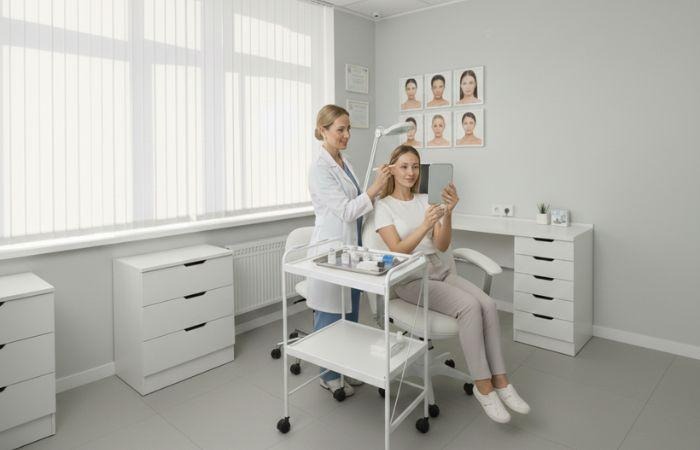
Botox is a popular treatment that helps smooth wrinkles and fine lines on your face. Millions of people get this treatment every year to look younger and feel more confident about themselves. Your results depend on choosing the right injector, preparing properly, and following aftercare instructions carefully. This guide covers everything you need to know for safe and natural-looking Botox results.
Your injector is the most important factor in achieving natural-looking Botox treatment results. When seeking Botox treatment, look for board-certified dermatologists, plastic surgeons, or trained nurse practitioners with cosmetic injection experience. Check their online reviews and ask to see before-and-after photos of real Botox treatment patients they have treated. The best Botox treatment providers take time to understand your goals and never pressure you into extra procedures. A quality clinic will focus on keeping your natural expressions while carefully smoothing unwanted lines with expertly administered Botox treatment.
Botox costs around ten to twenty dollars for each unit, and prices change based on your city and provider. Forehead lines usually need ten to thirty units, and the lines between your eyebrows need fifteen to twenty-five units. Crow's feet around your eyes need five to fifteen units on each side for a soft, natural look. Several neurotoxin brands are available on the market, and each one works a little bit differently on your skin.
Your provider will recommend the best option based on your treatment area, skin type, and desired results. Some formulas spread more and work faster for larger areas, while others are purer with fewer additives. Ask your injector which product they use and why they prefer it for your specific concerns.
Pregnant women and mothers who are breastfeeding should skip Botox because it may not be safe. People with nerve or muscle diseases like myasthenia gravis face higher risks from this treatment. Anyone allergic to botulinum toxin or other ingredients in the product must avoid getting injected. Active skin infections, rashes, or open cuts near treatment areas need to heal completely first. Certain antibiotics and muscle relaxant medicines can interact badly, so tell your provider everything you take.
Most people have mild redness, small bumps, or tiny bruises at injection spots that fade in days. Some feel slight headaches, tenderness, or tightness in treated areas for a short time after. Rare problems include droopy eyelids or uneven results, but these usually fix themselves within weeks. Skin turning white, gray, or blue with increasing pain means blood flow is blocked and needs emergency care. Sudden eye pain, vision changes, or seeing floating spots requires you to get medical help right away.
You will start noticing changes within three to five days as the product begins working. Full results show up completely within ten to fourteen days after your treatment appointment. Most people enjoy their results for three to four months before the effects slowly wear off. A touch-up visit in two weeks lets your provider fix any small unevenness if you need it.
Drinking enough water every day keeps your skin healthy and helps your treatment last longer. Eating foods with protein, good fats, and vitamins supports your skin from the inside out. Wearing sunscreen daily protects your skin and keeps it looking smooth between treatments. Book your next appointment every three to four months before your last treatment wears off completely. Staying on schedule often means you need fewer units over time as your muscles learn to relax. Between Botox appointments, you can maintain your look with complementary at-home treatments like lip augmentation for fuller, smoother lips.
Most Botox for wrinkles is not covered by insurance because it counts as a cosmetic choice. Medical Botox for migraines or heavy sweating may be covered, so check with your insurance company. Always get a written consent form that explains risks, results, and the touch-up policy before treatment. Good providers have insurance that protects you if something goes wrong during your procedure. Keep copies of your consent forms, payment receipts, and photos for your own records at home.