
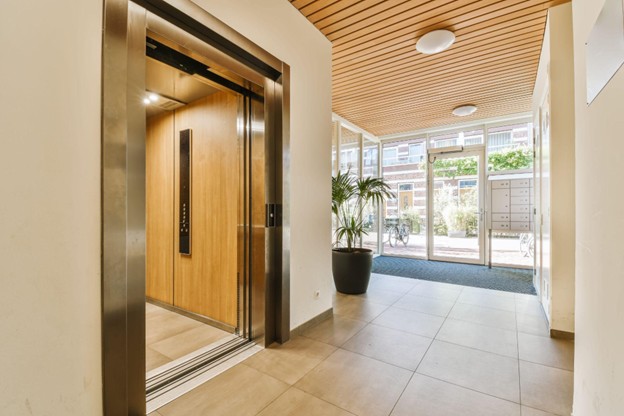
As multi-story homes become more common, architects and homeowners are increasingly integrating the residential elevator into long-term structural planning. Rather than treating vertical mobility as a retrofit solution, today’s residential architecture considers it a strategic design element from the earliest stages of the blueprint.
Modern homes are evolving. Open-concept layouts, rooftop terraces, split-level configurations, and expanded basements create dynamic living environments, but they also introduce mobility challenges. Planning vertical access early ensures that homes remain functional, safe, and adaptable across decades of use.
Residential construction trends reflect changing demographics and lifestyle expectations. Aging-in-place considerations, multi-generational households, and luxury customization have elevated the importance of seamless floor-to-floor access.
Key drivers influencing vertical access planning include:
Integrating a residential elevator at the architectural stage reduces structural disruption later. Shaft placement, machine room considerations, and load-bearing alignment can be designed efficiently rather than retrofitted at a higher cost.
Forward-thinking architectural plans increasingly allocate space for vertical systems even when immediate installation is not required.
Designing for vertical access requires more than selecting equipment. It demands coordination between structural engineering, mechanical systems, and interior layout planning.
Important design considerations include:
Early collaboration between architects and system specialists allows a residential elevator to integrate naturally into the home’s aesthetic and structural footprint. This approach minimizes design compromise and ensures compliance with building codes.
According to guidance from the U.S. Department of Housing and Urban Development, incorporating accessibility features into housing design supports long-term livability and reduces future modification costs. Not all private homes need to follow federal rules, but planning for accessibility is in line with best practices for housing in general.
A residential elevator is often viewed through the lens of convenience, but its long-term value extends further.
Benefits include:
Stair-related injuries remain a common household risk. By incorporating vertical lift systems, homeowners reduce dependency on stairs while enhancing daily comfort.
From a financial perspective, vertical access solutions can strengthen market differentiation in high-value properties. Buyers increasingly prioritize accessibility features that future-proof investments.
Modern systems are designed to complement diverse architectural styles from contemporary minimalist homes to traditional estates.
Customization options may include:
When incorporated thoughtfully, a residential elevator enhances visual appeal rather than disrupting it. Architects often position shafts near stairwells or central corridors to maintain symmetry and natural traffic flow.
Aesthetic integration requires the careful planning of:
Design cohesion ensures that vertical mobility becomes an extension of the home’s architectural narrative.
While retrofitting remains possible, planning during new construction significantly reduces complexity.
Retrofitting challenges often include:
By contrast, pre-construction planning allows seamless accommodation of a residential elevator without compromising square footage or structural stability.
Builders increasingly recommend allocating at least stacked closet space during new construction to allow future system installation if immediate implementation is deferred.
Safety Standards and Code Alignment
Residential vertical systems must comply with local building codes and safety standards. These regulations address installation protocols, emergency features, and operational safeguards.
Typical safety features include:
Municipal requirements vary by jurisdiction, but most mandate inspection and permitting prior to operation. Ensuring compliance protects homeowners and enhances long-term reliability.
A properly installed residential elevator integrates both mechanical precision and regulatory alignment, reinforcing its role as a safe mobility solution.
The growth of multi-generational households has accelerated the demand for accessible vertical design. Families increasingly share homes across age groups, making stair-only access impractical.
Accessibility-driven planning supports:
In this context, a residential elevator becomes more than a luxury feature; it becomes an enabling infrastructure element that supports inclusive living.
Contemporary systems incorporate smart features designed to enhance usability and efficiency.
Common advancements include:
As home automation continues to expand, vertical mobility systems are increasingly integrated into broader smart home ecosystems.
A well-designed residential elevator operates smoothly within these frameworks, contributing to the home’s overall technological sophistication.
Like any mechanical system, vertical lift equipment requires periodic inspection and servicing to maintain optimal performance.
Maintenance considerations include:
Routine service ensures continued reliability and preserves the investment value of the installation.
When vertical mobility is part of initial architectural planning, maintenance access can also be designed for efficiency, reducing long-term operational inconvenience.
Residential architecture increasingly reflects adaptability. Homes are no longer designed solely for present needs; they are structured to evolve alongside occupants.
Planning vertical access supports:
Incorporating a residential elevator during architectural development transforms vertical mobility from an afterthought into a foundational design element.
As multi-story living continues to define modern housing, thoughtful planning ensures that homes remain accessible, functional, and aligned with future needs. Vertical mobility is not simply about moving between floors; it is about designing spaces that serve every stage of life with safety, efficiency, and architectural harmony.